British Columbia's rugged terrain demands a vehicle that can handle everything from muddy forest trails to rocky mountain passes. The Ford Bronco Sasquatch Package transforms an already capable off-roader into a trail-conquering machine purpose-built for the province's diverse landscape. Whether you're navigating the Sea-to-Sky corridor or exploring remote logging roads in the Interior, understanding how to maximize this package's capabilities will elevate every adventure.
From Vancouver Island's coastal routes to the Okanagan's backcountry trails, BC offers some of North America's most challenging and rewarding off-road experiences. The Sasquatch Package equips the Bronco with specialized hardware designed specifically for these conditions—larger tires, upgraded suspension, and enhanced ground clearance that work together to tackle obstacles that would stop most vehicles. This guide breaks down how to leverage each component for safer, more confident trail driving across British Columbia.
Understanding the Sasquatch Package's Core Components
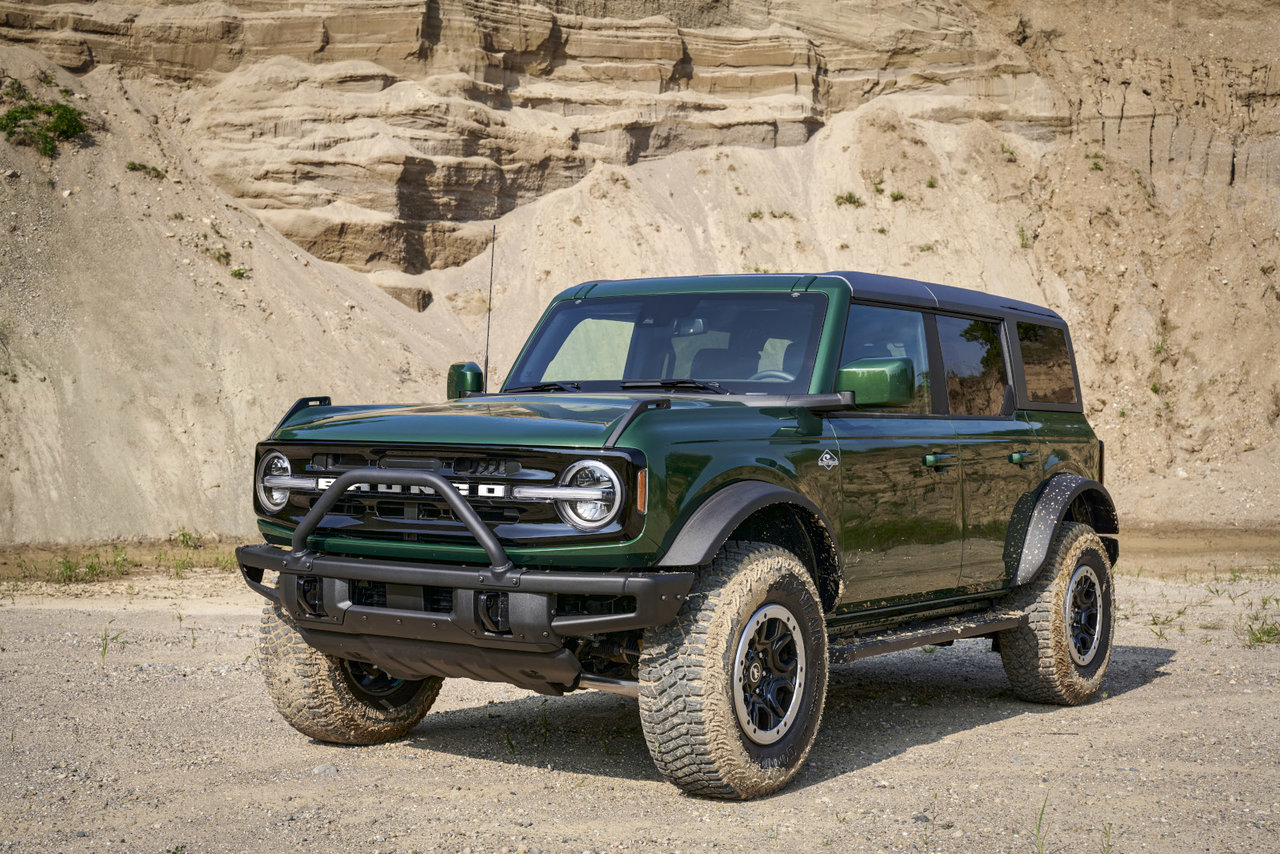
The Sasquatch Package fundamentally changes the Bronco's off-road capability through four key upgrades. Ground clearance increases to 333 millimetres (13.1 inches), providing substantially more room to clear rocks, logs, and uneven terrain compared to the standard 212-213 millimetre clearance. This extra height proves critical on BC's technical trails where obstacles frequently exceed standard vehicle clearance.
Bilstein position-sensitive monotube shock absorbers replace the standard suspension components. These shocks automatically adjust damping force based on terrain conditions, providing both controlled articulation over rocks and stable handling on gravel roads. The HOSS (High-Performance Off-Road Stability Suspension) system works with these shocks to maintain wheel contact on uneven surfaces while preventing excessive body roll.
The package includes 35-inch BFGoodrich All-Terrain T/A KO2 tires mounted on 17-inch beadlock-capable wheels. These larger tires increase contact patch size and provide aggressive tread patterns that grip loose surfaces more effectively than standard rubber. The beadlock-capable design allows you to safely reduce tire pressure for improved traction without risking the tire separating from the rim—a technique frequently used on technical BC trails.
A 4.70 final drive ratio replaces the standard gearing, optimizing torque delivery for low-speed crawling. This lower ratio provides more mechanical advantage when climbing steep grades or navigating boulder fields, reducing strain on the drivetrain while giving you finer throttle control in challenging situations.
Mastering Terrain Modes for BC's Diverse Conditions
The Bronco's seven G.O.A.T. Modes (Goes Over Any Type of Terrain) adapt vehicle systems to match specific terrain types. Understanding when to deploy each mode maximizes both capability and safety across British Columbia's varied landscape.
Rock Crawl Mode should be your default selection for technical trails with large obstacles. This mode activates crawl control, holds lower gears longer, and adjusts throttle response for precise wheel placement. Use it on trails like the Duffy Lake Road backcountry routes or when navigating boulder-strewn riverbeds common throughout the province's Interior regions.
Mud/Ruts Mode optimizes traction control for slippery, churned surfaces. The system allows more wheel spin to help clear mud from tire treads while managing power delivery to prevent digging in. This proves essential on Vancouver Island's coastal trails during wet months or anywhere spring runoff creates saturated trail conditions.
Sand Mode applies to more than beach driving—it works effectively on dry, loose surfaces including decomposed granite common on Interior trails. The mode maintains momentum by allowing controlled wheel slip and holding higher gears to prevent digging. Consider using it on the Chilcotin Plateau's sandy logging roads or similar loose-surface conditions.
For winter trail exploration, Slippery Mode provides the most predictable behavior on snow and ice. The system reduces throttle sensitivity and applies gentler traction control intervention, helping maintain forward progress without sudden wheel spin that could break traction on packed snow or icy patches.
Tire Pressure Management for Maximum Traction
Adjusting tire pressure represents one of the most effective tools for improving traction, but requires understanding the relationship between pressure, terrain, and tire construction. The Sasquatch Package's beadlock-capable wheels enable safe pressure reduction that would risk tire separation on standard rims.
On rocky trails, reducing pressure to 18-20 psi increases the tire's contact patch and allows the sidewall to conform around obstacles rather than deflecting off them. This technique dramatically improves grip on technical sections while providing a smoother ride as the tire absorbs impacts. Monitor tire temperature—extended high-speed driving on pavement at reduced pressure generates excessive heat.
For mud or snow, dropping to 15-18 psi allows the tire to flatten and spread, increasing surface area contact with soft terrain. The tire's footprint widens, distributing vehicle weight over a larger area and reducing the tendency to sink. However, avoid aggressive steering inputs at these pressures, as the tire's reduced sidewall support increases the risk of rolling the bead off the wheel during hard cornering.
Always carry a reliable portable air compressor and tire pressure gauge. Re-inflate tires to recommended street pressure (typically 35 psi) before returning to paved roads. Driving extended distances on highways with reduced pressure accelerates tire wear, generates excessive heat, and compromises handling stability.
Leveraging Advanced Recovery Features
The Sasquatch Package includes front and rear tow hooks rated for vehicle recovery, but effective use requires proper technique and equipment. When stuck, assess the situation before attempting recovery—sometimes backing up and trying a different line proves safer than pulling forward.
Use a rated recovery strap (never a tow strap or chain) attached to the frame-mounted tow hooks. Recovery straps stretch and absorb shock loads, reducing stress on mounting points and preventing sudden jolts that can damage vehicles or cause injury. Position the recovery vehicle directly in line with the stuck vehicle to avoid side-loading the tow hooks.
For self-recovery situations, a portable winch provides options when no other vehicle is available. Mount it to the Bronco's front recovery points and anchor to a substantial tree (using a tree saver strap to prevent bark damage) or buried object. Winch slowly and steadily—rapid pulling generates heat and stress that can damage equipment.
The Trail Turn Assist feature, available with the Sasquatch Package, applies the inside rear brake during tight turns to effectively reduce turning radius. This proves particularly useful when navigating narrow switchbacks or executing multi-point turns on confined trails common in BC's dense forests.
Recommended BC Trail Systems for Sasquatch-Equipped Broncos
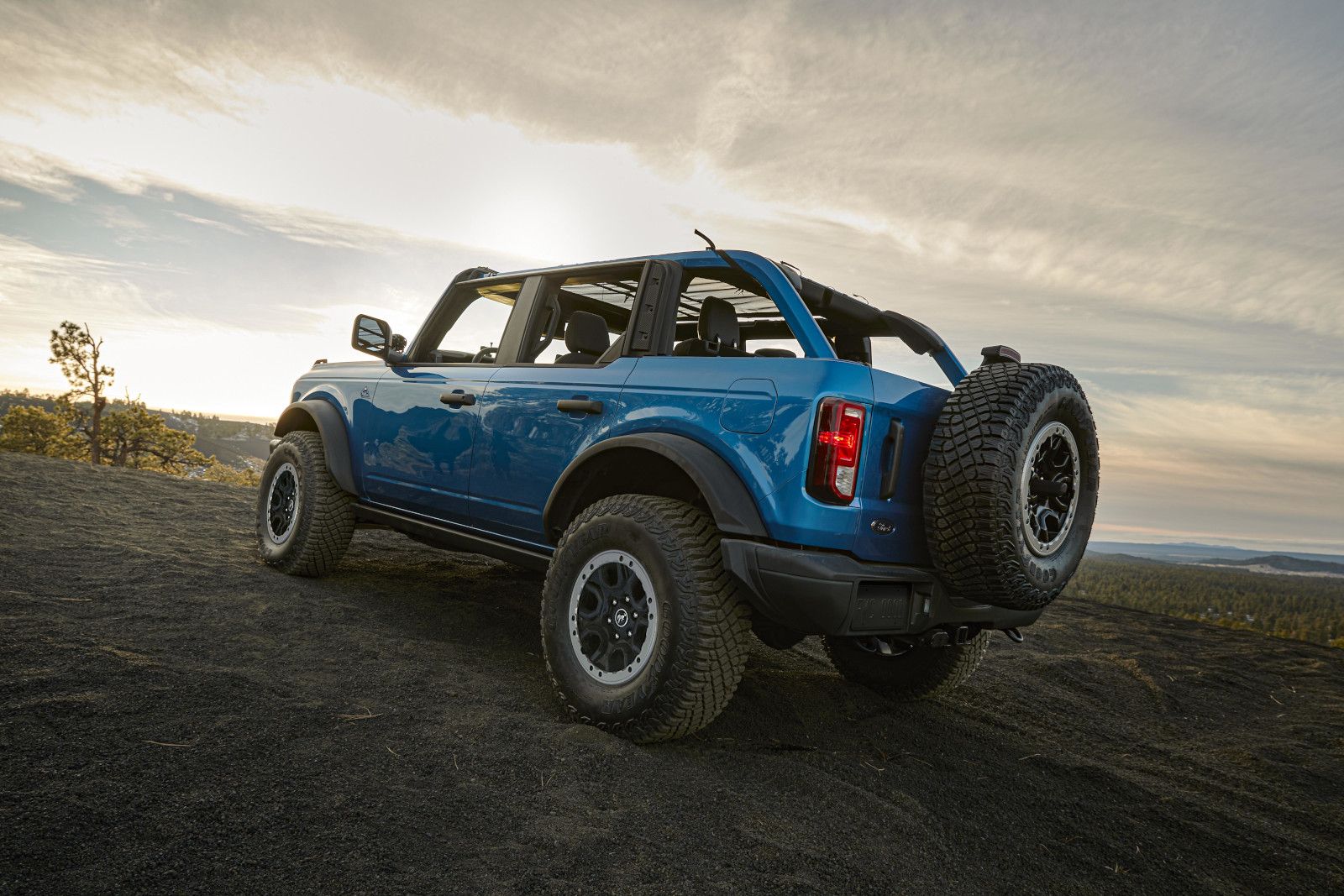
British Columbia's trail network ranges from maintained forest service roads to extreme technical routes. The following systems offer appropriate challenges for Sasquatch-equipped Broncos while showcasing the province's diverse terrain.
Chilcotin Region (Interior): The area west of Williams Lake features extensive networks of logging roads and trails accessing alpine meadows and remote lakes. Routes like the Big Creek Road system provide moderate difficulty with spectacular scenery, while more technical options exist for experienced drivers. Plan for self-sufficiency—services are limited and cell coverage is sporadic.
Duffy Lake Road Backcountry (Sea-to-Sky): Accessible trails branch off Highway 99 between Pemberton and Lillooet, offering everything from scenic viewpoints to challenging rock gardens. The area's proximity to major population centers makes it popular, so expect company on weekends during summer months.
Coquihalla Summit Recreation Area (Southern Interior): Multiple trail systems near the Coquihalla Highway connector provide varied terrain from gravel roads to technical boulder sections. Zopkios Ridge and Needle Peak trails offer moderate challenges with rewarding views, while remaining accessible for day trips from Vancouver or the Interior.
Vancouver Island's West Coast: The island's western regions feature coastal trails through old-growth forests and along rugged shorelines. The Kennedy Lake area and roads accessing Clayoquot Sound provide moderate routes with spectacular scenery, though wet conditions persist much of the year.
Always check current trail conditions and closures before departure. BC's trail systems may close seasonally for wildlife protection, logging operations, or environmental concerns. The BC Recreation Sites and Trails website provides current information, though local knowledge from off-road communities often proves more current.
Essential Safety Practices and Equipment
Off-road exploration in British Columbia demands preparation beyond vehicle capability. The province's remote terrain and variable weather create situations where self-sufficiency becomes critical for safety.
Carry comprehensive recovery equipment: rated recovery straps (minimum 30,000-pound capacity), D-ring shackles, work gloves, and a shovel. A high-lift jack provides options for lifting the vehicle when standard jacks won't work, though proper technique is essential—improper use creates serious injury risk.
Navigation equipment should include both electronic and paper backup. Download offline maps to your phone using apps like Gaia GPS or onX Offroad, but carry printed topographic maps and a compass as backup. GPS signals can be unreliable in deep valleys or dense forest canopy common throughout BC.
Communication capability matters in remote areas. A satellite communicator like Garmin inReach provides two-way messaging and emergency SOS functionality anywhere in the province, regardless of cellular coverage. Share your planned route and expected return time with someone reliable before departing.
Pack for unexpected overnight stays even on day trips. Weather in BC's mountains changes rapidly—summer afternoon thunderstorms or sudden temperature drops occur regularly. Carry extra clothing layers, emergency shelter (space blanket minimum), water purification capability, high-energy food, and a first-aid kit appropriate for remote use.
Vehicle Preparation and Post-Trail Maintenance
Before tackling challenging trails, verify your Bronco's mechanical condition. Check all fluid levels, inspect tire condition and pressure, and ensure the spare tire is properly inflated and accessible. Examine skid plates and underbody protection for damage from previous trips—a cracked skid plate provides no protection and may cause additional damage.
Activate the electronic sway bar disconnect when conditions warrant. This feature allows increased wheel articulation by disconnecting the front stabilizer bar, enabling the suspension to flex independently and maintain tire contact on uneven surfaces. The system automatically reconnects above 32 km/h (20 mph), so use it only at trail speeds.
After completing trail runs, thoroughly clean the undercarriage to remove mud, dirt, and debris. BC's trails often cross streams or muddy sections that coat components in corrosive material. Pay particular attention to brake components, suspension joints, and the differential—accumulated debris accelerates wear and can mask developing problems.
Inspect the Sasquatch Package's components regularly. Check shock absorbers for leaks, examine tire sidewalls for cuts or bulges, and verify that skid plates remain securely mounted. The larger tires and increased ground clearance expose components to more aggressive impacts, making regular inspection important for catching damage before it becomes serious.
Explore BC's Backcountry with Glenoak Ford Sales
The Ford Bronco Sasquatch Package delivers the capability needed to confidently explore British Columbia's incredible trail systems, but maximizing its potential requires understanding how each component works and when to deploy specific features. From tire pressure management on technical sections to selecting appropriate terrain modes for BC's varied conditions, these techniques transform the Bronco from capable to exceptional.
Ready to experience the Sasquatch Package's capability firsthand? Visit Glenoak Ford Sales in Victoria to explore the Bronco lineup and discuss how this legendary off-roader can open up BC's backcountry. Our team understands the unique demands of Vancouver Island and British Columbia trail conditions and can help you configure the perfect setup for your adventures.