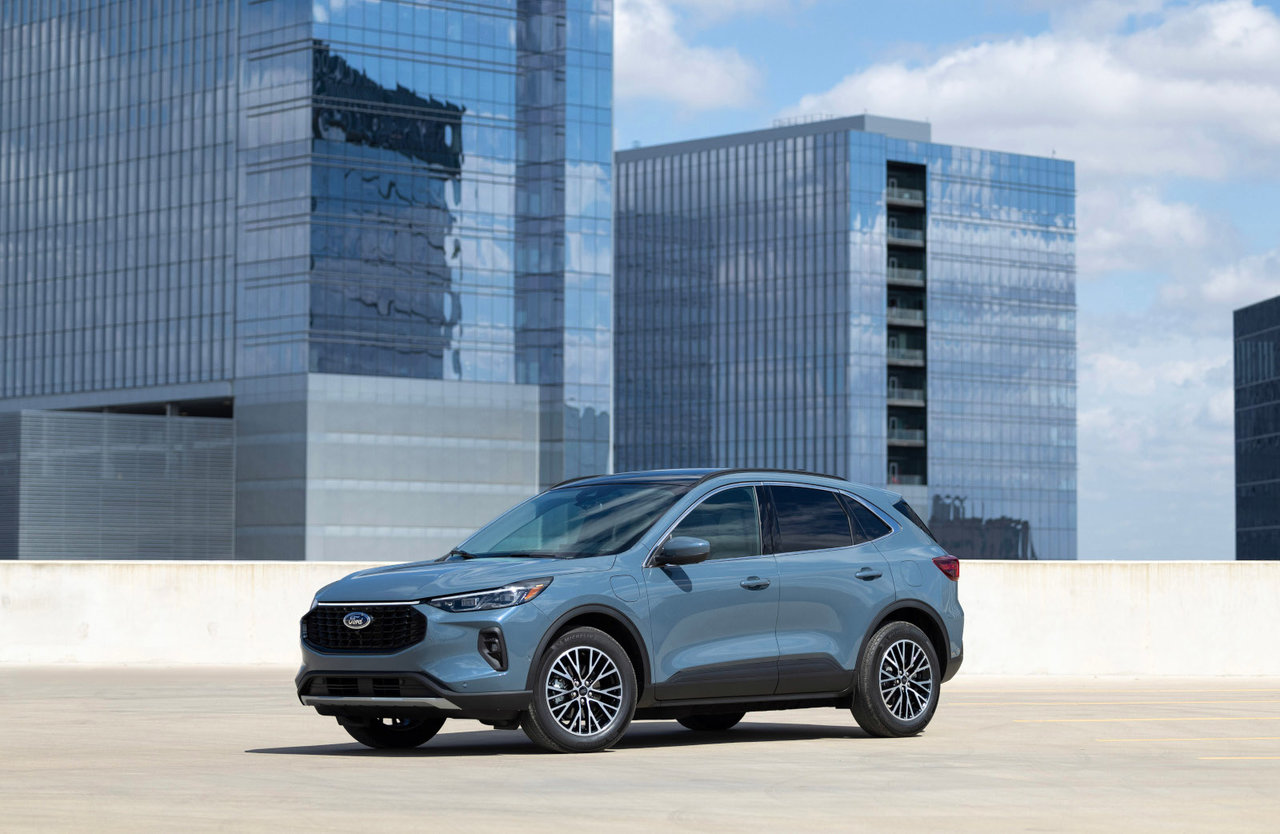
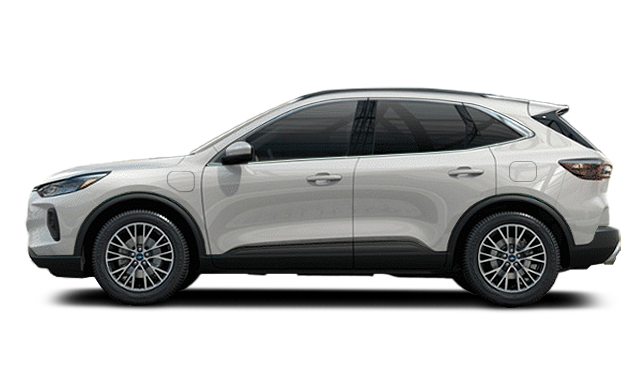
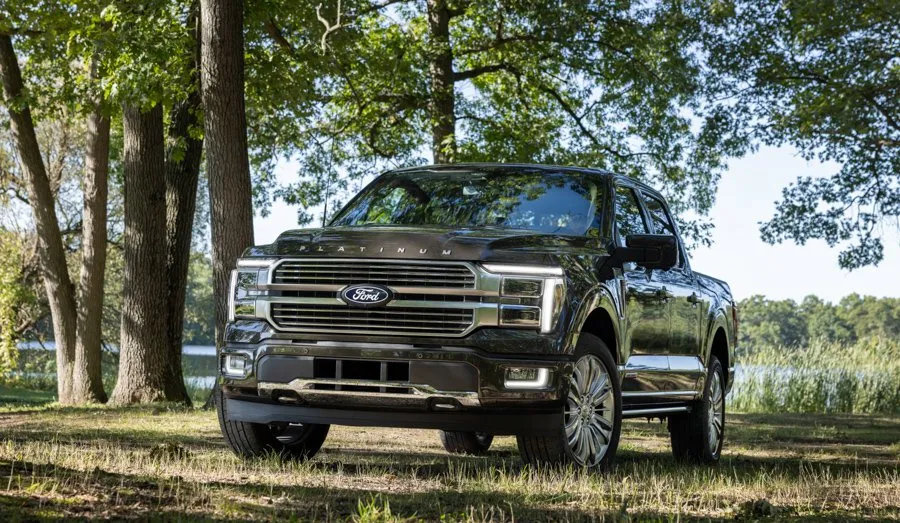
If you live on Vancouver Island or the Lower Mainland and you're tired of filling up at the pump every week, the 2026 Ford Escape Plug-In Hybrid offers a practical middle ground. It runs on electricity for most daily trips - up to 60 km on a full charge - but keeps a gas engine on standby for longer drives, ferry trips to the mainland, or weekend getaways up-island. You get the fuel savings of an EV for your commute without the range anxiety of a full battery-electric vehicle.
The Escape PHEV is built for families who want to electrify their driving without changing their lifestyle. Charge it overnight using a standard 120V outlet (a Level 1 mobile power cord comes included), and you'll cover most errands, school runs, and commutes on electricity alone. When you need to go farther - Victoria to Nanaimo or a trip across the Malahat - the 2.5L Atkinson-cycle engine kicks in automatically, and the Escape runs as a regular hybrid.
How the Plug-In Hybrid System Works
The Escape PHEV combines a 2.5L four-cylinder engine with an electric motor and battery pack, delivering 210 hp through an eCVT transmission. The system prioritizes electric driving whenever possible. When you start with a full charge, it runs purely on battery power until the charge depletes or you demand more acceleration. Once the battery reaches its minimum state, the gas engine takes over, and the Escape operates as a conventional hybrid - capturing energy through regenerative braking and blending power between the engine and motor.
You can charge using the included Level 1 cord plugged into any standard household outlet. A full charge takes roughly 10-12 hours on 120V, ideal for overnight charging. If you install a Level 2 home charger (240V), charging time drops to around 3-4 hours. The vehicle also supports public Level 2 charging stations.
The beauty of the plug-in hybrid setup is flexibility. If you forget to plug in or you're away from home for a few days, the Escape still runs efficiently as a hybrid. You won't be stranded, and you won't need to plan your route around charging infrastructure the way you would with a full EV.
Electric Range and Real-World Use
Ford rates the Escape PHEV at up to 60 km of electric-only range based on ideal conditions. In practice, your range varies depending on driving style, weather, and climate control use.
During spring and fall in Victoria, when temperatures are mild, 60 km is achievable. That covers a round trip from James Bay to Langford, a commute from Saanich to downtown, or errands around the Westshore without burning gas. In winter, when running the cabin heater, expect closer to 45-50 km of electric range.
If your daily driving is under 50 km, you can run almost entirely on electricity. Plug in every night, and you'll rarely use the gas engine except on longer trips. If you drive 80 km a day, you'll cover the first 50-60 km on battery, then switch to hybrid mode for the rest.
The Escape PHEV is particularly well-suited to island life. Most trips on Vancouver Island are short - grocery runs, school drop-offs, trips to the rec centre. When you need to drive to Nanaimo, Tofino, or across to the mainland via ferry, the gas engine ensures you're never limited by charging infrastructure.
Fuel Economy on Gas and Electric
When running on electricity alone, the Escape PHEV is rated at 2.3 Le/100 km combined. Once the battery depletes and the gas engine takes over, the Escape PHEV returns 5.6 L/100 km city, 6.3 L/100 km highway, and 5.9 L/100 km combined. For comparison, a non-hybrid compact SUV typically returns 9-10 L/100 km combined, so the Escape PHEV saves roughly 30-40% on fuel even when you're not plugging in.
If you charge regularly and drive mostly within the electric range, your effective fuel consumption will be much lower. A driver who covers 50 km a day and charges nightly might go weeks between fill-ups, using only a few litres of gas per month for longer trips.
Key Fuel Economy Figures:
|
Driving Mode
|
City
|
Highway
|
Combined
|
|
Electric Only
|
2.3 Le/100 km
|
-
|
-
|
|
Hybrid (Gas)
|
5.6 L/100 km
|
6.3 L/100 km
|
5.9 L/100 km
|
Charging at Home and On the Road
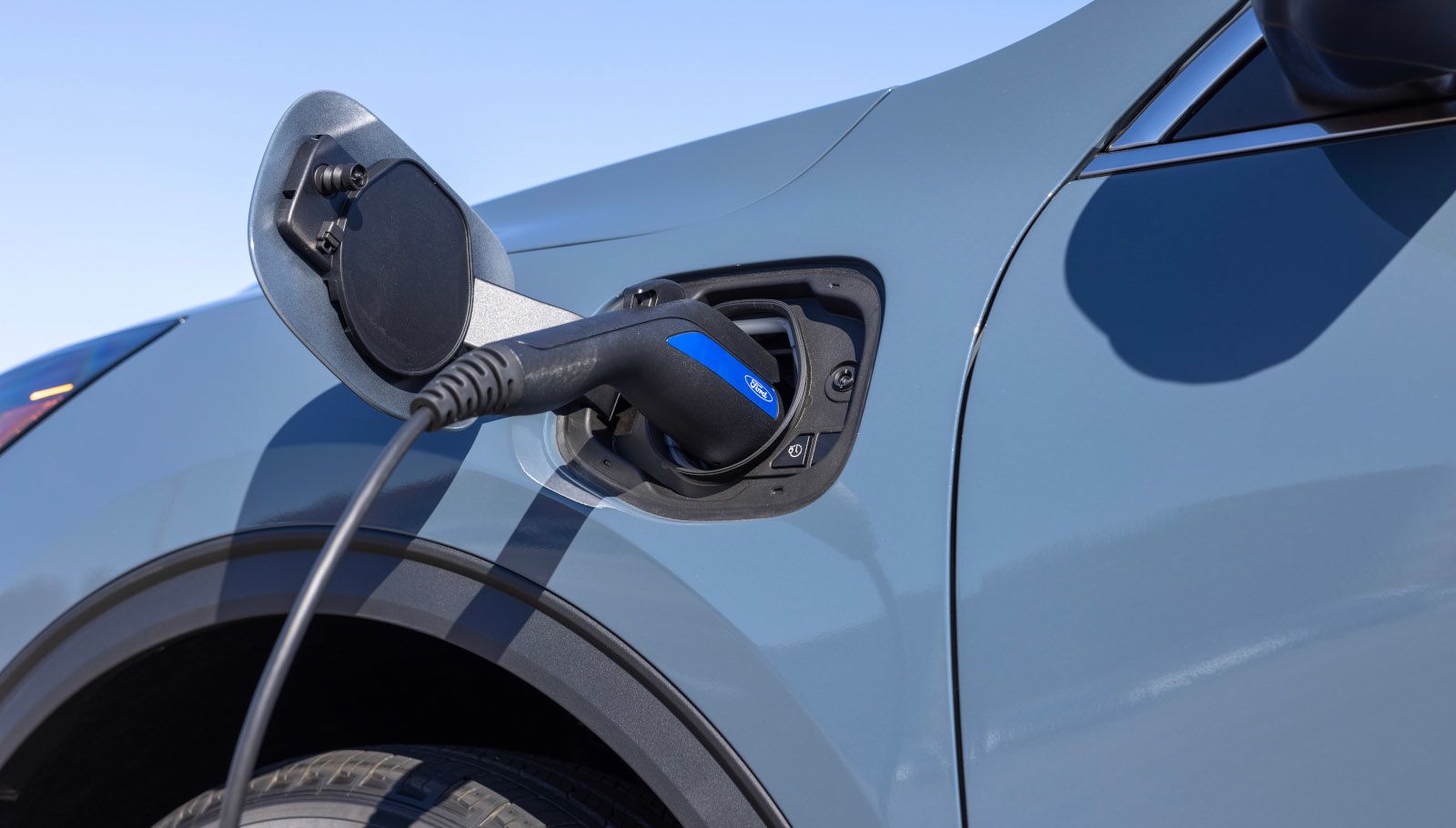
The Escape PHEV comes with a Level 1 mobile charging cord that plugs into any standard 120V outlet. This takes roughly 10-12 hours for a full charge but works fine for overnight charging. Most PHEV owners find Level 1 charging sufficient for daily use, especially when topping up a partially depleted battery.
For faster charging, you can install a Level 2 home charger (240V), which requires a dedicated circuit and professional installation but cuts charging time to around 3-4 hours. The Escape PHEV also works with public Level 2 charging stations, common in Victoria, Nanaimo, and other island communities.
One advantage of the plug-in hybrid over a full EV is that you're never dependent on charging infrastructure. If you're on a road trip without charger access, the gas engine keeps you moving. That flexibility makes the Escape PHEV practical for drivers who want to electrify their daily routine without giving up the convenience of a gas engine for longer trips.
Cargo Space and Interior Flexibility
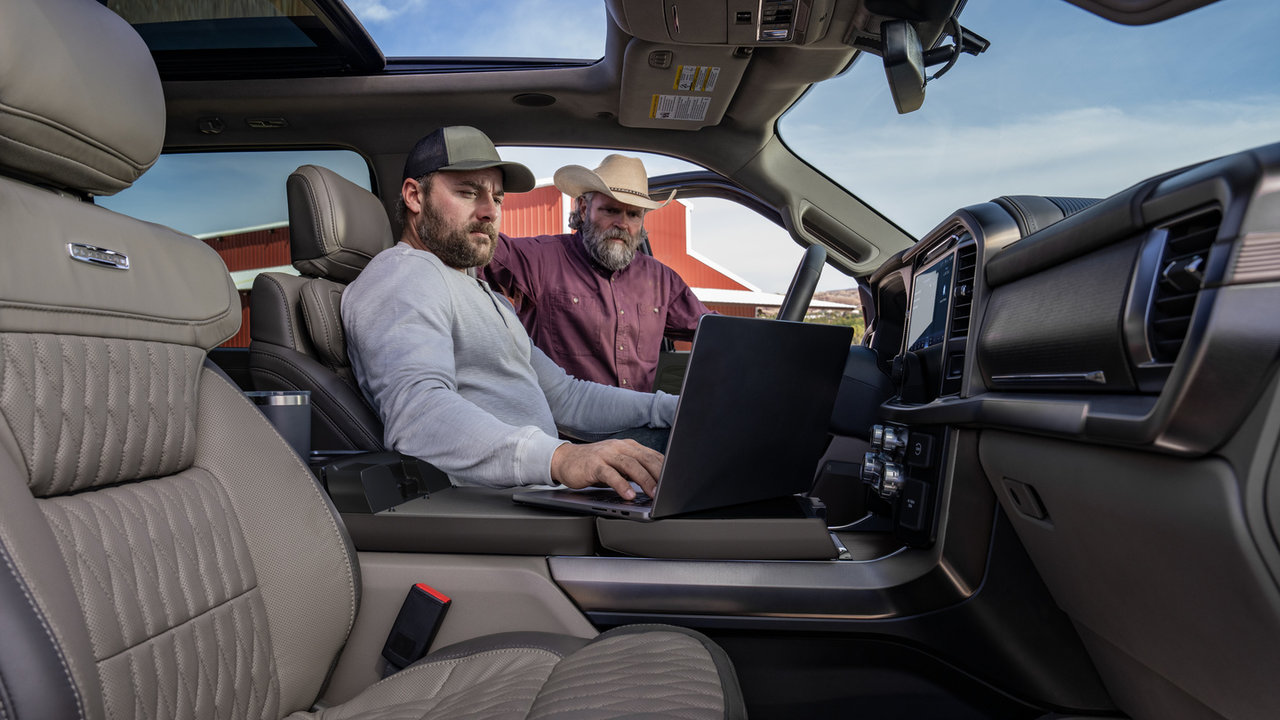
The Escape PHEV offers cargo space with the rear seats folded flat. The second row features a 60/40 split-fold design and slides forward and back, giving you the option to prioritize rear legroom or cargo space. The battery placement doesn't intrude on passenger space, with 1,035 mm of rear legroom. The front seats include an 8-way power driver's seat and heated steering wheel standard on the PHEV trim. The cabin is quiet at low speeds when running on electric power.
Technology and Connectivity
The Escape PHEV comes standard with a 13.2-inch touchscreen running Ford's SYNC 4 infotainment system. Wireless Apple CarPlay and Android Auto are standard, along with connected navigation that can route you to charging stations. A wireless charging pad and 4G LTE Wi-Fi hotspot (supporting up to 10 devices) are also included.
The digital instrument cluster displays battery charge level, electric range remaining, and real-time energy flow between the engine, motor, and battery. The display also shows your average fuel economy and electric-only driving percentage, helping you track savings.
Safety and Driver-Assist Features
Ford Co-Pilot360 is standard on the Escape PHEV, including Blind Spot Information System (BLIS), Pre-Collision Assist with Automatic Emergency Braking, lane-keeping assist, rear-view camera, and adaptive cruise control. The adaptive cruise maintains a set speed and automatically adjusts your following distance to match the vehicle ahead - useful for ferry lineups and highway commutes.
An available 360-degree camera system uses cameras on all sides to give you a bird's-eye view of the vehicle, helpful when parking in tight spaces or navigating narrow driveways.
Why the Escape PHEV Makes Sense for Island Driving
The Escape PHEV is designed for drivers who want to reduce fuel costs and environmental impact without committing to a full EV. If you live in Victoria, Nanaimo, or another island community, most of your driving is probably short-range - trips where electric driving saves the most fuel, and the Escape PHEV covers them easily on a single charge.
When you need to drive farther - a trip to Tofino, a weekend in the Cowichan Valley, or a ferry trip to Vancouver - the gas engine ensures you're never limited by charging infrastructure or range. The Escape PHEV gives you the fuel savings of an EV for daily driving and the flexibility of a gas vehicle for longer trips.
The plug-in hybrid also makes sense if you're not ready to install a home charging station. The included Level 1 cord works with any standard outlet. For families who aren't ready to go fully electric, the Escape PHEV is a practical step toward electrification. You'll save money on fuel, reduce emissions, and get comfortable with electric driving - all without giving up the convenience and flexibility of a gas engine.
The Escape PHEV Fits Island Life
The 2026 Ford Escape Plug-In Hybrid is built for drivers who want the fuel savings of an EV without the range limitations. It covers most daily trips on electricity alone, charges overnight using a standard outlet, and switches smoothly to hybrid mode when you need to go farther. If you're looking for a practical, efficient SUV that fits the way you actually drive on Vancouver Island, the Escape PHEV delivers.
Visit Glenoak Ford Sales in Victoria to see the 2026 Escape PHEV in person and learn more about how a plug-in hybrid fits your driving routine.